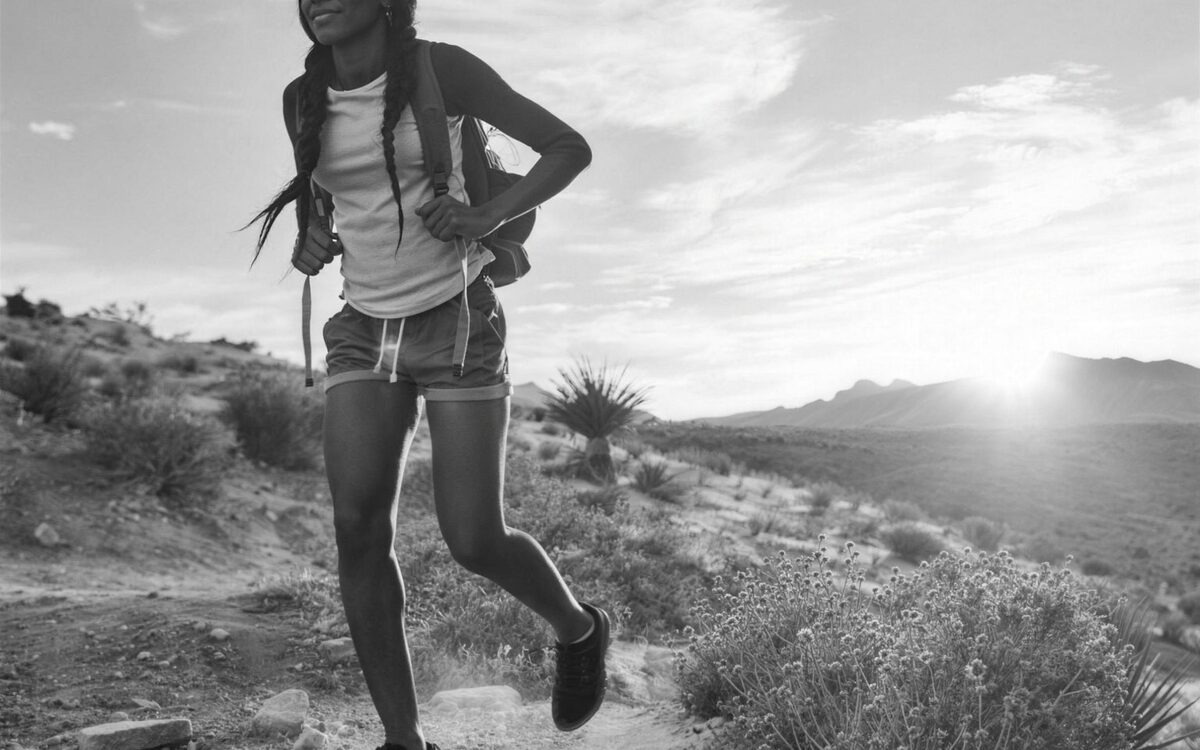
Once the first real snow sticks, the Nordic area at Mt. Spokane State Park turns into one of the Inland Northwest's best-kept winter secrets. Groomed cross-country loops, a separate snowshoe trail system, and none of the lift-line crowds a few miles down the road at the alpine side. It's quieter, it's cheaper, and it's a genuinely good full-body workout — which is exactly why so many people underestimate how much it takes out of them.
Why "slow and steady" still burns through fuel
Downhill skiing is bursts of effort broken up by chairlift rest. Snowshoeing and Nordic skiing are the opposite: a long, steady aerobic grind, often for two or three hours straight, through snow that adds resistance to every single step or glide. That combination — sustained effort plus a heavier energy cost per step than walking on dry ground — means snowshoers and Nordic skiers often burn through carbohydrate stores faster than they expect for what feels like a moderate-pace outing.
- No obvious breaks. Without a lift ride to coast through, your body doesn't get the recovery windows that downhill skiing builds in automatically.
- Cold masks fatigue. The same blunted-thirst, blunted-hunger effect that hits skiers hits snowshoers too — you don't feel depleted until you're already running low.
- Layers hide real effort. Breaking trail in fresh snow or climbing the rolling terrain near Mt. Spokane's Nordic loops is harder than the flat, easy pace it often looks like from the parking lot.
The bonk on a Nordic trail doesn't look dramatic. It looks like "I'm suddenly freezing, slow, and irritable two miles from the car" — which is a much worse place to run low than at a ski lodge with a lift back down.
Fueling before you start
Because the effort is steady rather than explosive, a bowl with real carbohydrate and a bit of fat holds you better than a light breakfast. A Full Moon bowl — cacao wow, granola, banana, strawberry, peanut butter, and cacao nibs — gives you quick-digesting fruit sugar alongside peanut butter's slower-burning fat, which is a reasonable combination for an effort that's going to last a couple of hours rather than a couple of minutes. If mornings are tight before the drive up Highway 206, a PB Cacao Dream smoothie travels well in a car cupholder and covers similar ground in liquid form.
What to actually pack on the trail
For anything past about ninety minutes, carry something. Dried fruit, a granola bar, or a thermos of something warm all work — the point is having an easy carbohydrate source that doesn't require stopping to dig through a pack with cold hands. Water matters just as much as on the alpine side of the mountain; pack it somewhere it won't freeze solid, like an inside jacket pocket instead of an exterior bottle holder.
Refueling after the trailhead
A long aerobic effort in the cold leaves most people colder, hungrier, and more depleted than a shorter burst of hard exercise would. This is where warm, substantial food earns its place over something cold and light. A Hot Oats bowl — warm, gluten-free, and genuinely filling — is built for exactly this moment: carbohydrate to restock what you burned, warmth to counter a couple hours in single-digit wind chill, and enough substance that it actually replaces a meal instead of just tiding you over.
Make the stop part of the plan
The drive down from Mt. Spokane State Park runs right past Spokane Valley, which makes 13324 E Sprague Ave, Suite 101 an easy stop on the way home rather than a detour. Order ahead online so a Hot Oats bowl or a Full Moon is ready by the time you've changed out of wet boots and back into regular shoes.
The bottom line
Mt. Spokane State Park's Nordic and snowshoe trails are a genuinely good winter workout precisely because they don't feel as extreme as downhill skiing — which is exactly why they're easy to under-fuel for. Eat something with real substance before you go, carry a little fuel for longer outings, and plan on warm, carbohydrate-rich food afterward instead of skipping straight to dinner three hours later.
This article is for general information and is not medical advice. Talk to your doctor or a registered dietitian about your individual needs.
Refuel at Everbowl Spokane Valley
Cold-blended açaí, pitaya, and smoothie bowls made to order at 13324 E Sprague Ave. Perfect after the trail, the river, or the gym.
See the menu →This article is general wellness information from Everbowl Spokane and is not medical or dietary advice. Talk to a qualified health professional about your individual needs.