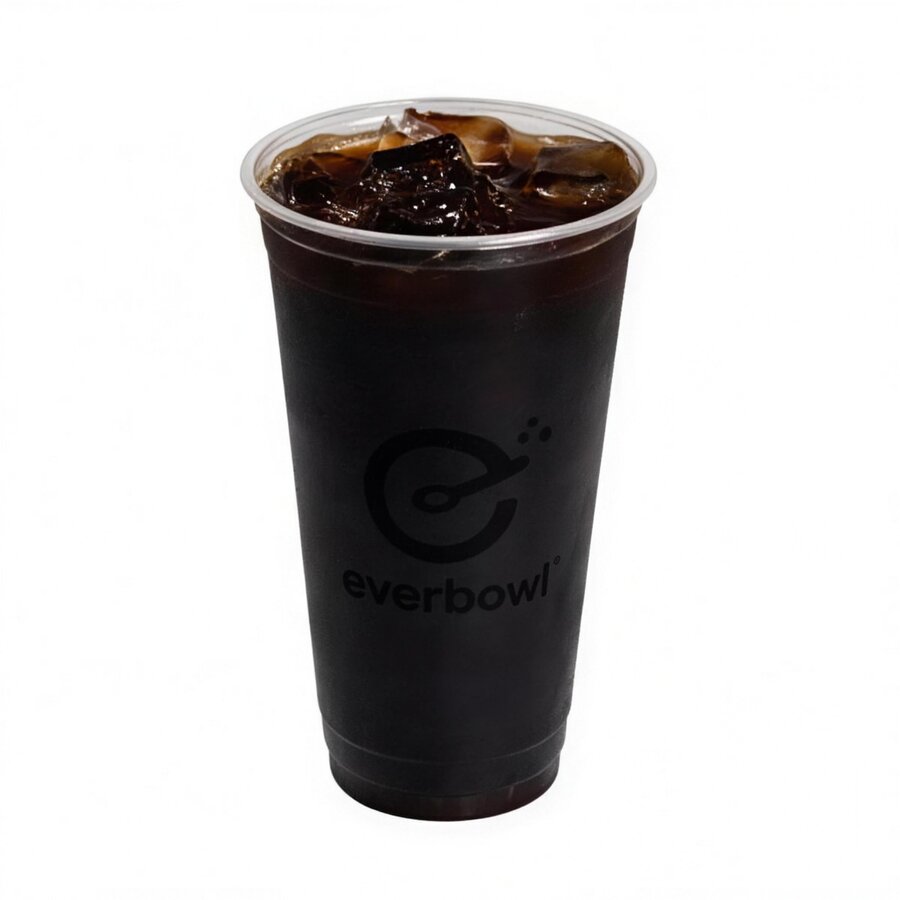
Caffeine is the rare supplement with decades of consistent evidence behind it: it reliably improves endurance, power output, and perceived effort. It's also the easiest good thing to use badly. Here's the field guide.
What the research supports
Performance studies cluster around 3 to 6 mg per kilogram of bodyweight taken 30 to 60 minutes before exercise — but honest reviews show meaningful benefit at lower, friendlier doses too. For most people, 100 to 200 mg before a workout is plenty: that's one strong cold brew. More isn't better; past your tolerance you just buy jitters and a faster heart rate without extra watts.
Cold brew vs. matcha: same drug, different ride
Our cold brew is the classic hit — fast up, strong peak, great before a lift or a morning run. Matcha carries less caffeine per cup plus L-theanine, an amino acid that studies show smooths caffeine's edge: alert but calm, fewer jitters. That's why an Iced Matcha suits a long study session or an easy trail day, while cold brew suits the squat rack. Neither is "healthier" — they're different tools.
Caffeine doesn't create energy; it borrows it by blocking the sleepiness signal. The loan comes due at bedtime if you time it wrong.
The timing rules that actually matter
- Cutoff: caffeine's half-life is 5 to 6 hours. A 3 p.m. cold brew leaves half its caffeine in you at 8 or 9 p.m. Most people sleep better with a noon-to-2 p.m. last call.
- Delay the first cup if you crash mid-morning — having it with breakfast instead of on an empty stomach smooths the curve for a lot of people.
- Pair it with carbs before training. Caffeine plus fuel outperforms caffeine alone — a cold brew next to a Glow Up smoothie is a legitimate pre-workout stack.
- Don't chase sleep debt with dose. Past ~400 mg/day, side effects compound and benefits don't.
Our counter, your protocol
At 13324 E Sprague Ave, Suite 101 the caffeine menu runs from straight cold brew to cinnamon or cacao cold-foam versions to matcha, iced or blended. Pick the tool, time it like you mean it, and let the fruit side of the menu handle the actual fuel.
Refuel at Everbowl Spokane Valley
Cold-blended açaí, pitaya, and smoothie bowls made to order at 13324 E Sprague Ave. Perfect after the trail, the river, or the gym.
See the menu →This article is general wellness information from Everbowl Spokane and is not medical or dietary advice. Talk to a qualified health professional about your individual needs.